

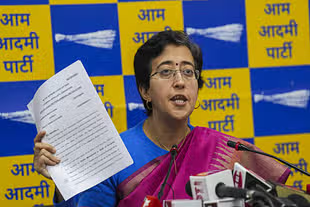
The Aam Aadmi Party (AAP) has made significant strides in Delhi’s political landscape, securing consecutive victories in the past two elections. However, the upcoming 2025 assembly elections pose a potential hurdle for AAP due to rising anti-incumbency sentiments. The party, which has been in power since 2015, faces growing disillusionment among voters who are questioning its governance, accountability, and delivery on key promises.
Reasons Behind Anti-Incumbency:
- Unfulfilled Promises: One of the primary reasons for anti-incumbency is the perception that AAP has failed to fulfill several key election promises made during previous campaigns. Issues like affordable housing, unemployment, and the improvement of basic infrastructure have remained unaddressed, leaving many voters dissatisfied.
- Perception of Corruption and Governance: Despite AAP’s anti-corruption stance, allegations of misconduct and governance inefficiencies have started to surface, particularly around issues such as the privatization of water supply and delays in administrative reforms. These have created doubts among Delhiites regarding the party’s commitment to transparency and governance.
- Rising Public Expectations: Voters have high expectations after AAP’s success in improving Delhi’s education system and health infrastructure. However, as these improvements have plateaued, public discontent has risen, leading to apprehensions about AAP’s ability to deliver continued progress.
AAP has been trying to counteract anti-incumbency with claims of transparency, new policy initiatives, and a focus on welfare programs. However, efforts like the “Mohalla Clinics” and free electricity schemes are not seen as sufficient to combat growing concerns. The party must innovate and address voters’ rising expectations with concrete solutions, particularly in areas such as job creation, healthcare quality, and infrastructure development.